

Momentum on Gender Equality
One afternoon when Sonali Khatun was only 14, she returned home from school in her small village of Sahanagar, India, to find rows of chairs set up in her family’s mud house.
Take a deeper look at our stories from around the world.
Each month, AJWS shares the latest developments from our grantee-partners and our staff working to create a better, more just world. You might call this blend of grantee profiles, opinion pieces, and organizational updates a window into the state of human rights around the world. We just call it Stories of Hope.
Stories related to Tawanda Mutasah, AJWS's president and CEO.
We support women, girls and LGBTQI+ people, as they organize to end discrimination, stop violence and live with dignity, safety and health.
We aid communities and movements organizing to protect the land, water and natural resources that people depend on for their survival.
Each year, 15 million girls worldwide are married before the age of 18—sometimes against their will. AJWS supports efforts to end child marriage by bringing girls and young women together to define their own futures.
We aid communities and movements that speak out against injustice, hold governments accountable to respect the rights of all people, and work to recover from civil wars and other conflicts.
When disasters and emergencies strike in the countries where we work, AJWS provides immediate humanitarian relief to activists on the front lines.
A visual storytelling collaboration from AJWS and Magnum Foundation
Witness social change up close through these videos from around the globe. You'll watch a day in the life of an activist AJWS supports and learn how they change lives and build social movements for justice.
Analysis, proposals, and personal stories brought to you directly from Haitian civil society leaders.
An archive of stories related to Robert Bank, who served AJWS from 2009-2026.
An archive of stories related to Ruth Messinger, who served AJWS from 1998-2016.
One afternoon when Sonali Khatun was only 14, she returned home from school in her small village of Sahanagar, India, to find rows of chairs set up in her family’s mud house.

A powerful movement is sweeping Nicaragua. Hundreds of thousands of people have flooded the streets in recent months to resist the authoritarian rule of president Daniel Ortega. Over the last 11 years, Ortega’s brutal regime has censored the press, done away with term limits for elected officials and repressed opposition parties. In April, when he reformed social security to increase the cost to workers while reducing payouts, the nation decided it had had enough.

Prosecuting powerful adversaries of indigenous rights
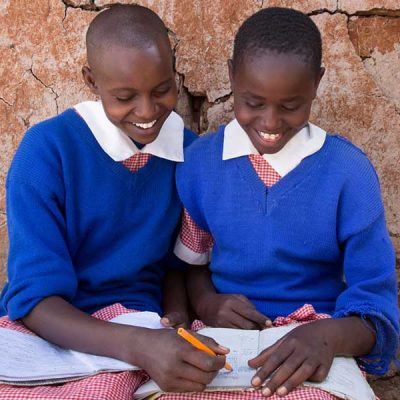
Watch our video to learn how AJWS is supporting people around the world who are fighting to improve millions of lives.
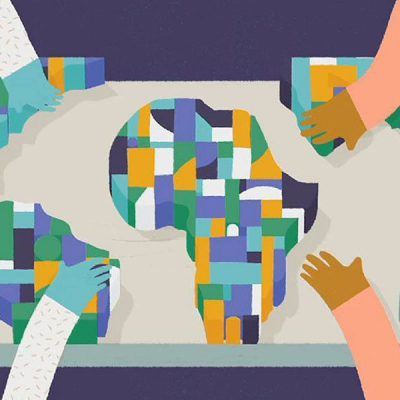
Learn how AJWS is supporting people around the world who are fighting to improve the lives of millions. No matter where we live, what we do, or who we are, we can all repair the world.
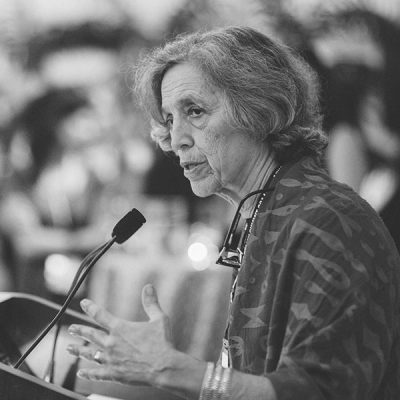
“Who is wise? One who learns from all people.” So teaches a passage in Pirkei Avot, an ancient collection of Jewish texts. I’m reminded of this insight’s relevance today when I see how governments and international organizations are responding to disasters—those that strike thousands of miles away and those that hit close to home in New York City.


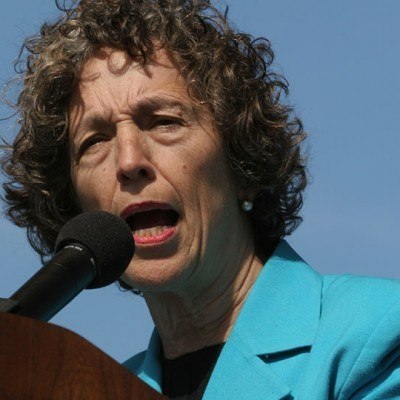
As the President of American Jewish World Service, I went to Sudan and Chad. I met a woman there who had fled her home with newborn twins after her uncle and brother were murdered in front of her. I met a teacher who led his students and their families through the desert and across the border, seeking refuge from destruction.
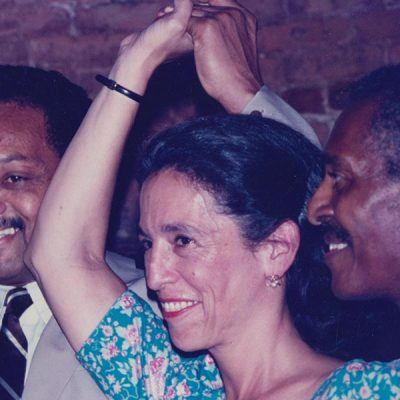
As is true for many in my generation, the civil rights movement was a formative part of my Jewish and American identities. In 1965, my mother Marjorie Wyler participated in the march from Selma to Montgomery, as did her colleague Rabbi Abraham Joshua Heschel—an iconic Jewish thinker who marched arm-in-arm with Martin Luther King, Jr. and who likened civil rights activism to “praying with my feet.”