
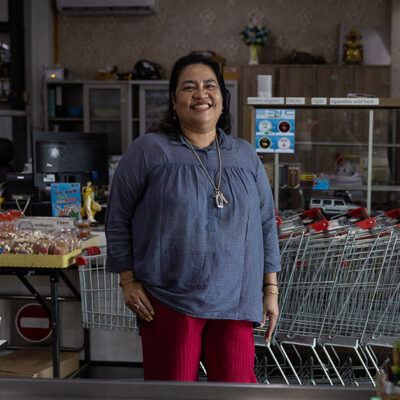
How a dozen Thai women fought the coal industry — and saved their tropical home
Posts
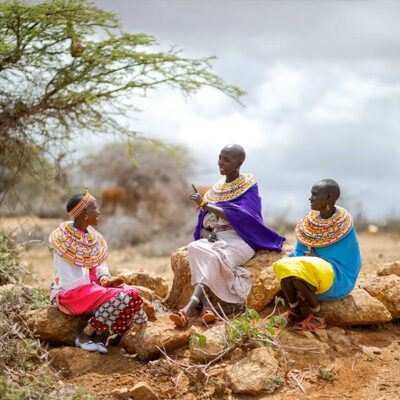
Stories of Hope: December 2025
As we enter the season of light, many members of the AJWS community cannot escape feeling mired in darkness. But — taking inspiration from the name of this newsletter — we move forward in hope that our vision of human rights for the most oppressed will prevail. In that spirit, it’s a pleasure to be …
Read More
Stories of Hope: November 2025
This is a special edition of Stories of Hope. While the work of AJWS grantees never ceases to inspire us, it’s not every month that this newsletter is filled with concrete victories like these. Let us transport you to Kenya, where last month a court shut down plans for a coal-fired power plant that would’ve …
Read More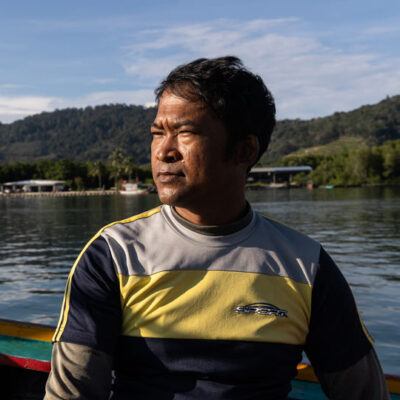
In Thailand, Indigenous fishing communities prepare their return to sacred waters
For decades, Aon Changnam has dreamt of the open waters of his childhood. Aon was born into a community of Urak Laroi people, traditionally nomadic people that have populated Thai and Malaysian islands for countless generations. He grew up swimming and exploring, enjoying freshly seafood, and hiking through the dense forests of Koh Lanta, his …
Read More
Nourishing stories for World Food Day
Today marks World Food Day, when people across the globe celebrate the foods that are meaningful to us and renew our commitment to protecting the planet. Jewish culture is full of meaningful foods. Many of us enjoyed apples and honey to usher in a sweet New Year, look forward to latkes on Chanukah, the oil …
Read MoreStories

Aung Myo Min
Ebbing the flood of suffering after the Southeast Asian tsunami
Read MoreWhere We Work
Dvar Tzedek
Va’etchanan
This Dvar Tzedek was adapted from Ruth Messinger’s talk for JDOV, a program that invites interesting and creative thinkers to give “the Jewish talk of their life.” Watch the full video of Ruth’s talk here. Parashat Va’etchanan includes the words of the Sh’ma[1]—a prayer so important, that many Jews recite it twice a day. Our …
Read MoreMishpatim
After describing a series of laws dealing with property, damages, injury and other torts, our parsha concludes the section with a final warning: “Do not oppress the stranger; you know the feelings of a stranger, for you were strangers in the land of Egypt.[1] Explaining the seemingly odd placement of this verse, Rabbi Shimshon Refael …
Read More