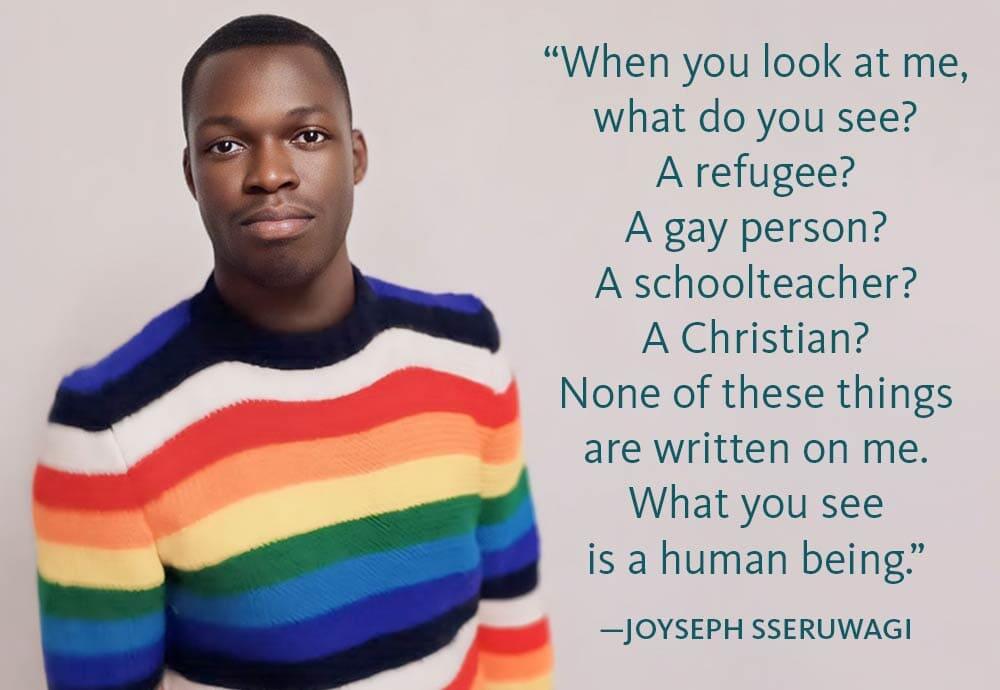
In 2024, schoolteacher Joyseph Sseruwagi fled their hometown in Uganda and crossed into Kenya, fearing they’d be arrested and sentenced to decades in prison. Joyseph’s crime? Their sexual orientation, which is severely criminalized under Uganda’s Anti-Homosexuality Act.
Joyseph now lives in Kenya, where they lead an organization supported by AJWS partner Jinsiangu, helping other LGBTQI+ people fleeing for their safety to find shelter and rebuild their lives.
We celebrate Pride throughout the month of June—and on June 20, we mark World Refugee Day. It’s at this powerful intersection that we introduce this issue of Stories of Hope.
LGBTQI+ people are among the least visible asylum seekers and refugees around the world, often fleeing from families and communities where they are stigmatized, discriminated against, and brutalized; often leaving countries where their identities and sexual orientations are outlawed.
Below, learn about the important work AJWS grantees are doing in Kenya to support the growing influx of LGBTQI+ refugees from Uganda and other African nations—even while queerness remains criminalized in Kenya as well.
For so many people held at this intersection, the desire is simple: to be seen as worthy of the basic human rights of safety and dignity.
In Kenya, LGBTQI+ refugees face continued oppression—but find life-saving support

More Stories of Hope
- For pro-democracy activists in authoritarian countries across Africa, standing up for their values can mean life or death. AJWS grantee Y’en a Marre recently opened KARIBU, a safe house for activists who’ve fled their homes—political refugees seeking safety and solidarity. Meet two of these bold young people, and step inside the welcoming doors of KARIBU.
- Kenya’s High Court delivered a win for trans rights last month, issuing a ruling affirming that the country’s constitution allows people to alter their sex or gender markers on official documents. Learn more about this important step forward.
- For Tawanda Mutasah, our new President & CEO, the mission of AJWS is itself a story of hope. Read this illuminating interview with Tawanda and join us as we “do more thinking about what the future beckons us to do.”
- In addition to dismantling the foreign affairs apparatus, the Trump administration has proposed a foreign aid budget that slashes $8B combined from global health and humanitarian aid. Adding to the chorus of opposition to these cuts, Rori Kramer, AJWS’s Director of U.S. Advocacy, penned this opinion piece in The Hill calling on Congress to reject the proposal.
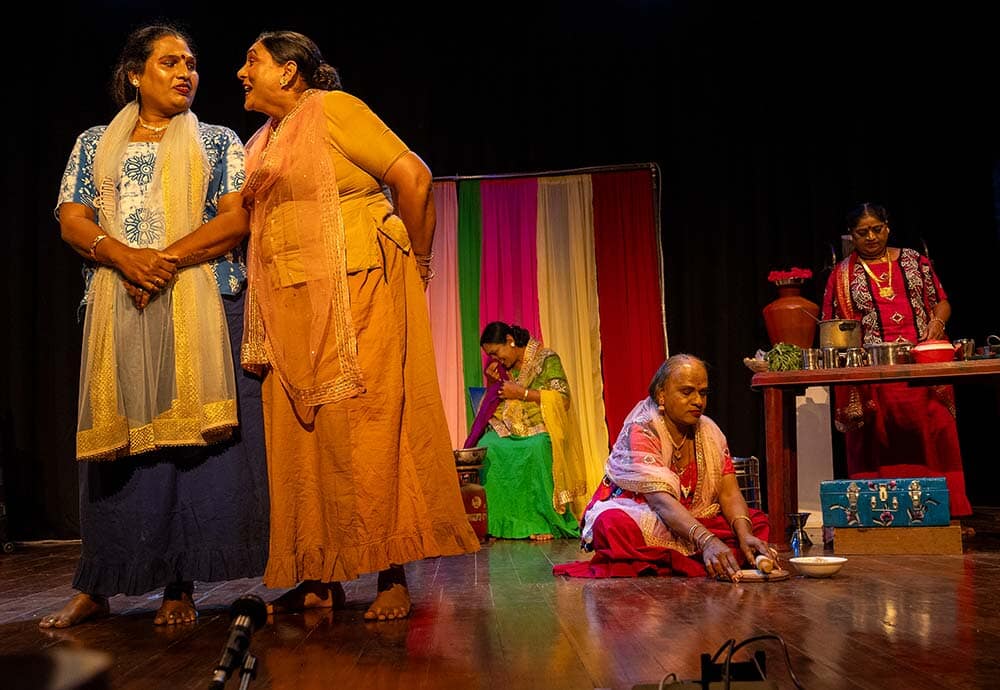
- LGBTQI+ people in India are frequently pushed to the fringes of society. But a revolutionary theater troupe is bringing their stories into the spotlight and changing how Indians understand queer and trans people. AJWS grantee Payana has performed its storytelling play, “Talki,” dozens of times across the country. Go behind the scenes of a recent performance in Bangalore, and meet these inspiring, onstage activists.
Speak up with the AJWS Action Network
The Trump administration’s newly expanded Global Gag rules target LGBTQI+ people, denying lifesaving U.S. foreign assistance to any recipient that acknowledges the existence of transgender and non-binary people. The White House can also deny funding to groups that work to end discrimination and hatred, including any opposition to policies that make being queer a crime.
These discriminatory policies go against the values that drive our mission at AJWS—and we will not stand by as our government plays politics with people’s lives, rights, and health. We’re grateful that several lawmakers in D.C. have introduced the Protecting Human Rights and Public Health in Foreign Assistance Act, which would prevent the White House from weaponizing foreign assistance. Urge your members of Congress to act by supporting this legislation today—and join the global chorus of voices from the AJWS community demanding human rights, safety, and dignity for all people.
We wish you a happy Pride, and a World Refugee Day that inspires you to action. The work ahead of us is vast and will not be easy. But, as Tawanda says, “hope is actually the currency that one uses to come out of difficult situations.”
Hold on to hope, and we’ll see you next month.
In solidarity,
Your friends at AJWS