When we think of refugees—we think of war.
But around the world, people are driven from their homes by other forces that rarely make the headlines. Today, nearly 70 countries criminalize homosexuality and queerness, with punishments ranging from imprisonment to the death penalty. These laws, and the social stigma and violence that they provoke, force untold millions of LGBTQI+ people to flee their countries to save their lives.
But safety can be extraordinarily hard to find—and it’s not guaranteed by entering a new country as a refugee.
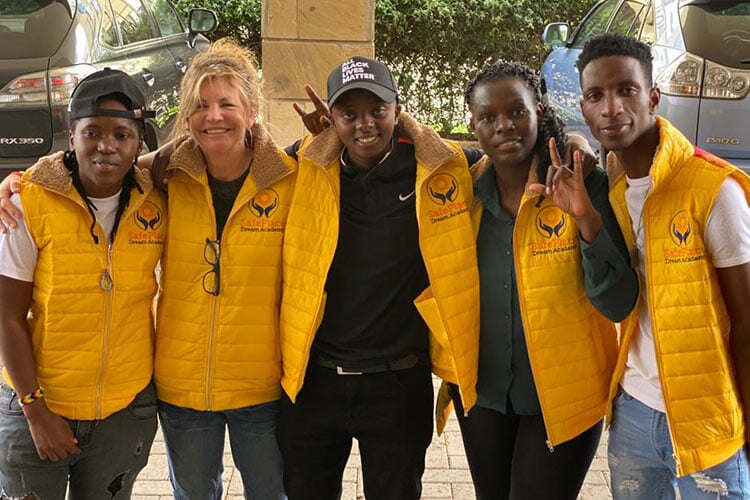
AJWS supports community organizations to help LGBTQI+ refugees resettle, integrate into a new society, and rebuild their lives—even in countries where they’ll still face oppression. The largest concentration of this work happens in Kenya, where a flood of LGBTQI+ people have sought refuge following Uganda’s 2023 law criminalizing same-sex relationships. Though Kenya is one of only 37 countries worldwide to allow people to register as refugees or asylum seekers based on their gender identity or sexual orientation, the country has its own anti-homosexuality laws, albeit less severe than Uganda, and queer Kenyans face social exclusion, stigma, and violence.
“Sometimes people face a double jeopardy situation, where they flee their home country because their threatened for their sexual orientation—and they expect to find a safe haven and a bit of security [in Kenya], but here they face a similar situation,” says Salome Wachuka, a program officer at National Gay and Lesbian Human Rights Commission (NGLHRC), an AJWS partner in Nairobi.
That’s why it’s critical for queer refugees to learn their rights in Kenya, and why NGLHRC has trained dozens of refugees and asylum-seekers as paralegals—who help newly-arrived LGBTQI+ people to register as refugees, claim government benefits, and understand their legal protection under Kenyan law.
Sulah Mawejje is one of 41 LGBTQI+ refugees and asylum-seekers trained by NGLHRC—legal education that’s shaped Sulah’s life.
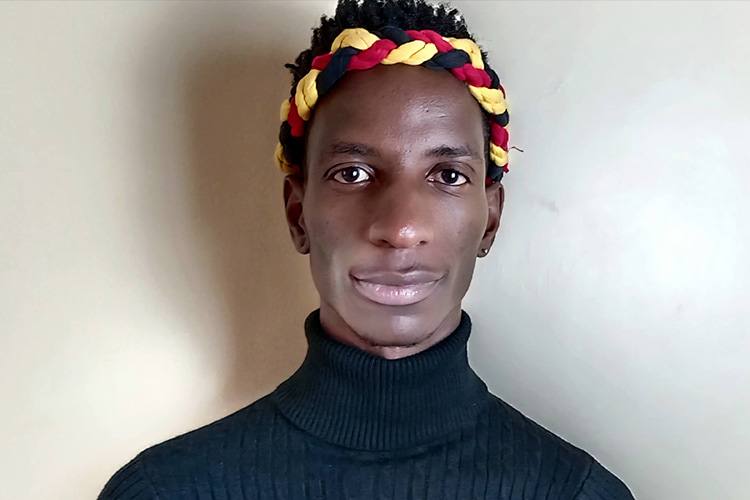
Sulah grew up in Uganda; after their mother died, they were sent to live with extended family. After they were outed by a cousin, Sulah was beaten and threatened. They fled to Kampala, but an uncle tracked Sulah down—the only option left was to leave everything behind and seek safety across the border in Kenya.
“That was the loneliest bus ride of my life,” remembers Sulah.
In 2021, the shelter where Sulah lived held a memorial for a LGBTQI+ refugee who died after his tent was set on fire—a horrifying homophobic attack. The memorial was raided by police—a neighbor had falsely accused them of harboring children—and residents were all arrested. But Sulah knew their rights, thanks to the paralegal training, and was able to halt police harassment, prevent sexual abuse, and secure everyone’s release.
“I was so scared, and I could have been just weeping,” remembers Sulah. “But having this knowledge somehow gave me the courage to stand up and say: I know my rights, and you cannot do this to us.”
They began devoting their life to preventing similar abuses; today, Sulah is a film director and leader in the movement of queer refugees in Kenya, helping people to register as refugees and access mental health support.
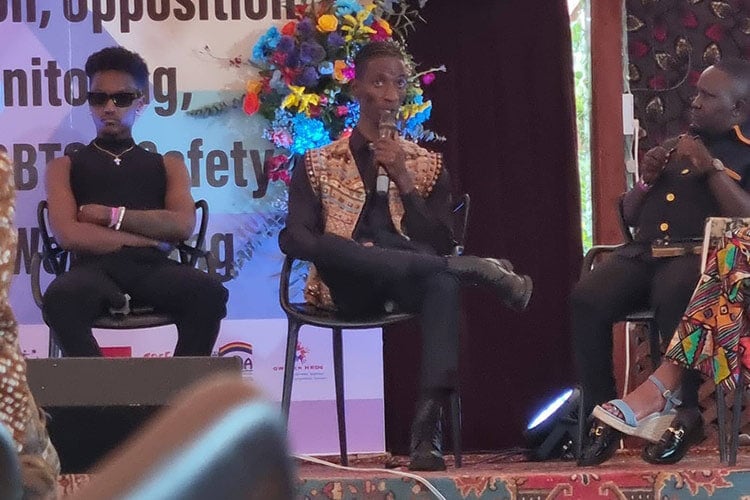
The number of LGBTQI+ people fleeing Uganda has surged since the country passed its Anti-Homosexuality Law (AHA) in 2023—one of the strictest and most archaic in the world.
For Joyseph Sseruwagi, the AHA forced them to seek asylum and leave their life behind.
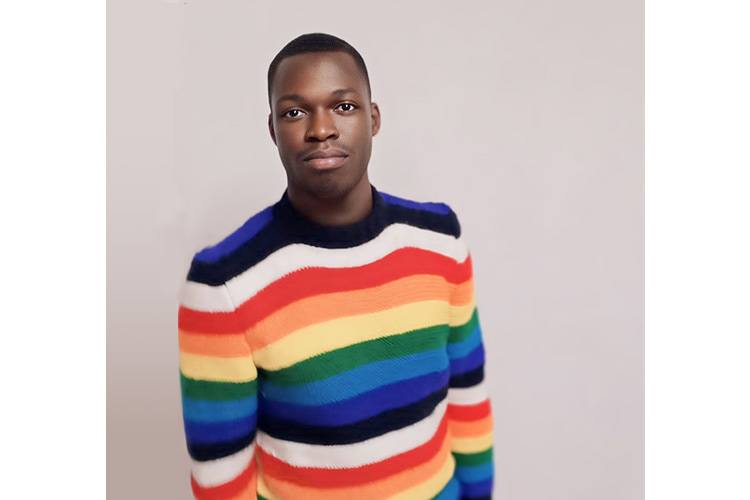
Joyseph, an evangelical Christian, was a teacher at a religious school in Uganda—quietly living as an LGBTQI+ person, and helping queer youth who’d been exiled from their families access financial aid to stay in school. But in 2024, Joyseph was publicly outed and accused of “promoting homosexuality,” a charge that, under the AHA, can carry a 20-year prison sentence. Joyseph fled to Kenya, refusing to give up their freedom for this archaic, oppressive law, but aware that they’d continue facing oppression as an asylum-seeker.
In Kenya, Joyseph joined the team of Entrepreneur, Empower & Advocacy (EEA-Health), an organization providing shelter, mental health support, and safety and security trainings to queer refugees—while mobilizing them into a movement advocating for more just treatment. AJWS partner Jinsiangu works closely with EEA-Health, training staff and helping them advance this mission.
Today, Joyseph acknowledges that the homophobia of their church—which has informed the anti-homosexuality legislation of both Uganda and Kenya—contribute to the social oppression of the queer community. But “I have reconciled my faith and my sexuality,” they say. “I ask myself often, truly, what would Jesus do if he met me? Or a trans woman? Or a lesbian? He would extend a hand and offer love. And this is what pushes me to fight for our community. If not me, who else?”
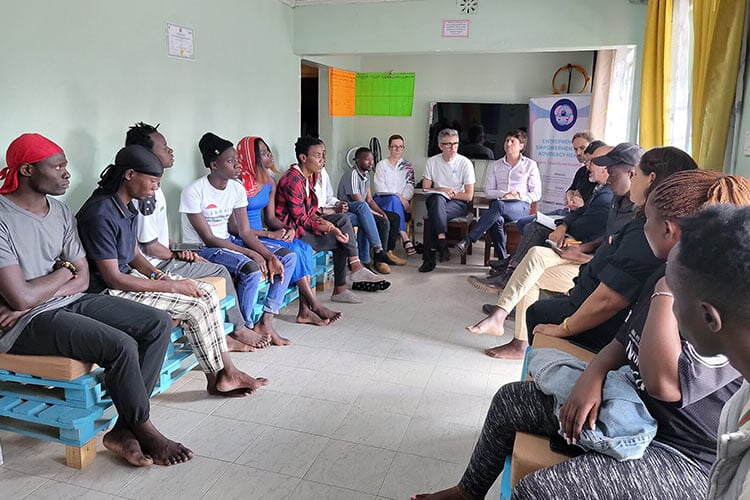
Around the world, LGBTQI+ people represent a hidden community within the 32 million refugees and 8 million asylum-seekers (under the UNHCR mandate). Untold millions are forced to leave home because of their sexual orientation or gender identity. Even more are forced to leave alongside others fleeing war, natural disasters or famine, but will face additional persecution because they are queer.
People like Joyseph understand that, to outsiders, these numbers are unfathomable—and can erase the humanity of refugees.
“When you look at me, what do you see? A refugee? A gay person? A schoolteacher? A Christian? None of these things are written on me. What you see is a human being,” says Joyseph. “My call to everyone is: See us as the human beings that we are. Because we are just like you.”