
Since 2011, AJWS partner organization Y’en a Marre has been working to save Senegal’s democracy. In 2024, they began saving lives as well.
That’s when Y’en a Marre opened KARIBU — a safe house for activists from nearby African countries who were forced into exile. KARIBU (named after the Swahili word for “welcome”) not only offers shelter, but also helps these activists find work in Senegal, and integrates them into Y’en a Marre’s thriving pro-democracy social movement. KARIBU provides solidarity and support for people whose activism at home resulted in violence, torture, and death threats at the hands of police and government forces.
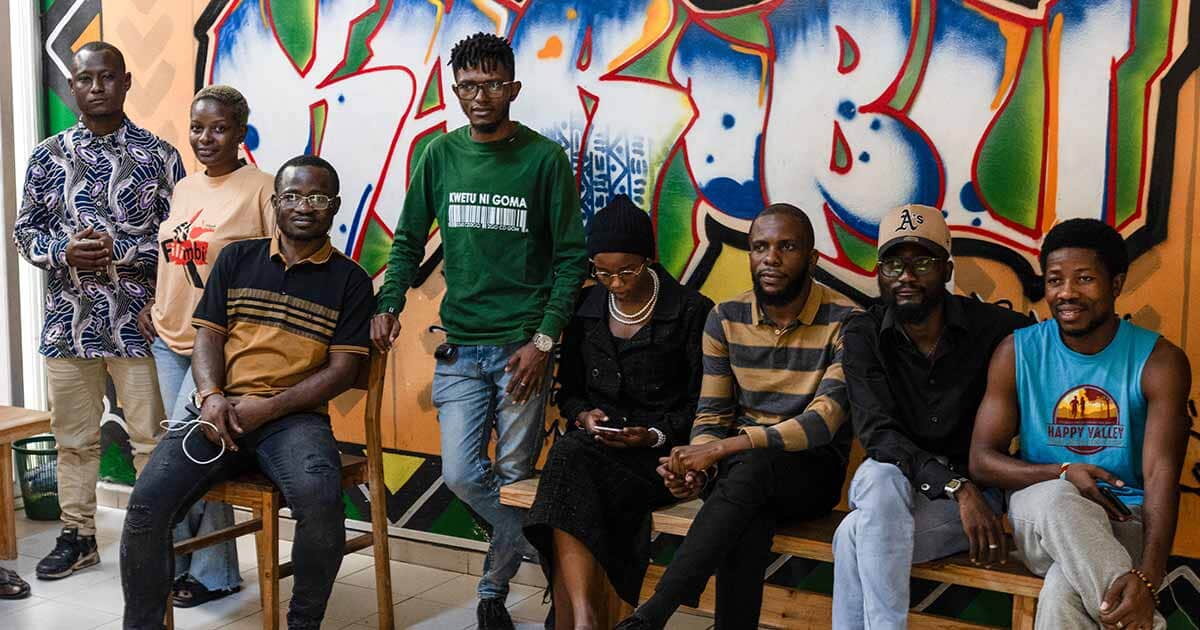
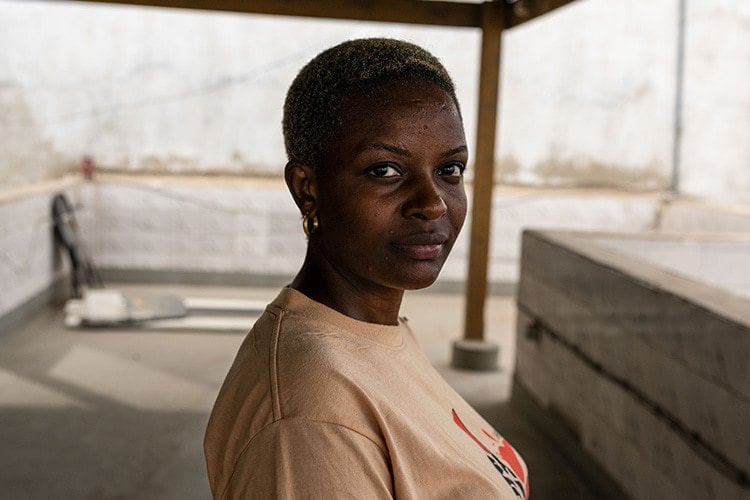
“KARIBU isn’t just a house for activists in exile. It’s a family home, where we can unite with people who understand us, who share the same vision for a better world,” says Happiness Binja Yalala, a 20-year-old peace activist who fled from Democratic Republic of Congo, where she was a member of AJWS partner Lucha.
For the 19 activists who’ve called KARIBU home since it opened its doors, living in exile in Senegal was never part of the plan. But it became their only option for survival.
Senegal has long been called the most stable democracy in West Africa. The activists of Y’en a Marre call their democracy ‘fragile’ or ‘in-development,’ but they acknowledge that it does exist.
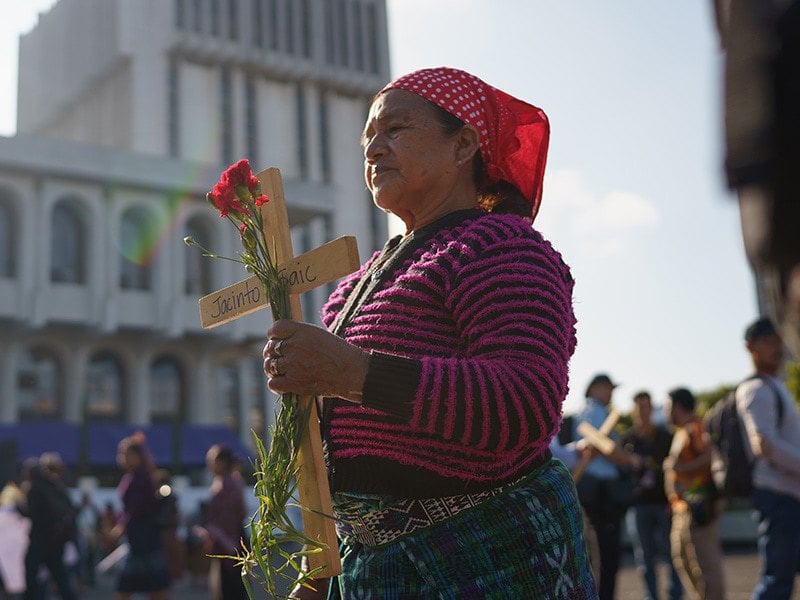
This is not the case for many countries in the region. Five countries in West Africa alone endured coups in the last five years. The government of Senegal’s southern neighbor, Guinea-Bissau, was overthrown by the military in November 2025. Eastern neighbor Guinea-Conakry has been ruled by brutal military dictatorships for decades. In Democratic Republic of Congo, extreme violence between Congolese military and rebel groups has killed thousands of civilians. Activists advocating for peace and justice in these countries live with targets on their backs.
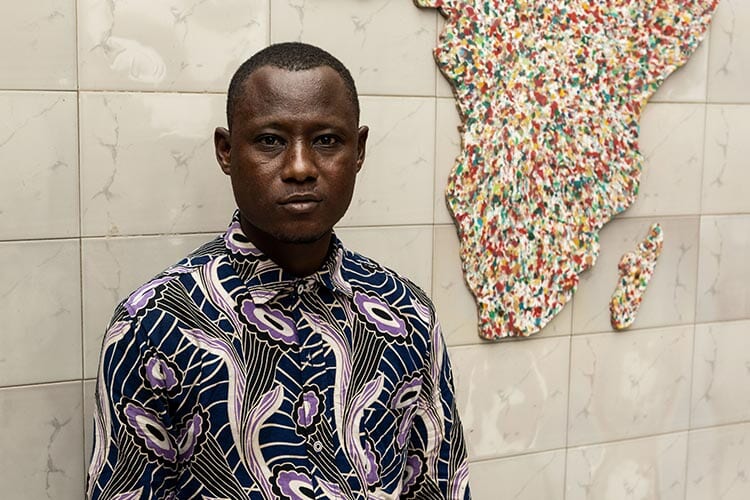
Longtime Y’en a Marre member Mohamed “Tiger” Diedhiou serves as KARIBU’s house manager; after years of his own political activism, KARIBU has given him a new purpose in life: helping residents to heal.
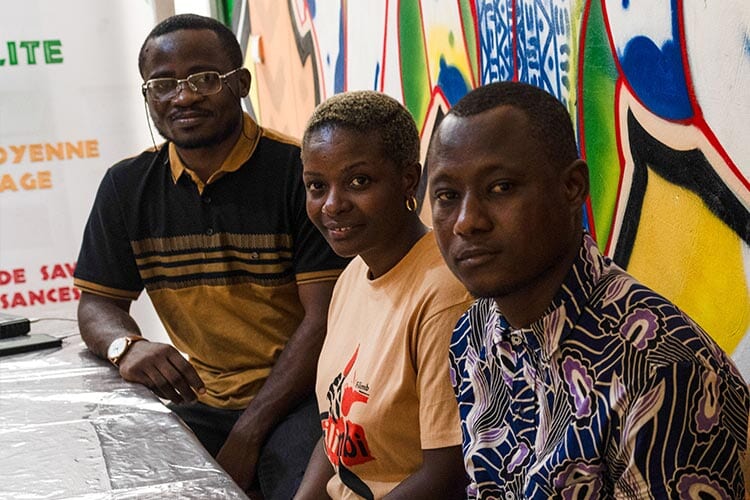
“All of them, at one point or another, realized: If I continue my activism here, I’m going to die. Thankfully, they all made the choice to run. So when they arrive, we take care of their immediate needs first. Get them fed, let them exhale and release, ensure them that they’re safe now,” he says. “But they don’t want to give up the fight. We invite them to rejoin the struggle with us, here in Senegal.”
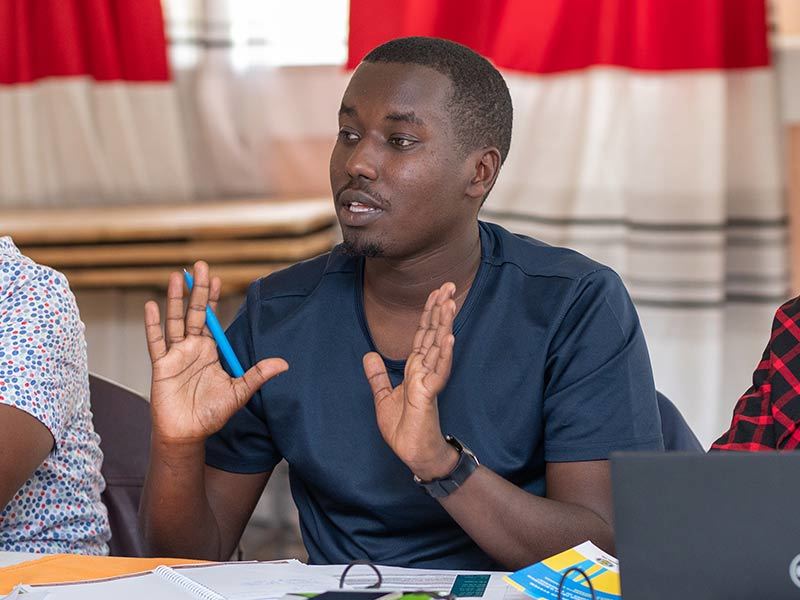
For some, KARIBU is a transitional space until they can safely return home. For others, going home may be impossible. This makes KARIBU an ambitious initiative, says Y’en a Marre vice-coordinator Abdou Khafour Kandji; thus far, they’ve successfully aided one activist in exile from Burkina Faso to find refuge in Canada with his family. Y’en a Marre helps others who will remain in Senegal to find permanent housing and employment while staying active in their social movement.
“We’re helping them transform tragedy into strength,” he says.
Serving 19 activists in exile may reflect a tiny fraction of those in need of safety and support. But KARIBU represents the Jewish concept that ‘to save a single life is to save an entire universe.’ And each of these universes is fighting for justice and peace — to save even more.
Below, read the stories of two brave political refugees who escaped their home countries and now live safely at KARIBU.