
Among the tips people espouse for how to fight back against the climate crisis, “shop local” is one of the most common. And it’s a tip you might feel is easy to disregard—how much can buying produce at farmers markets affect environmental crises that are causing mass destruction around the world?
But the short answer is: a lot.
Payal Patel, AJWS’s Director of Land, Water, and Climate Justice, is here to make the case.
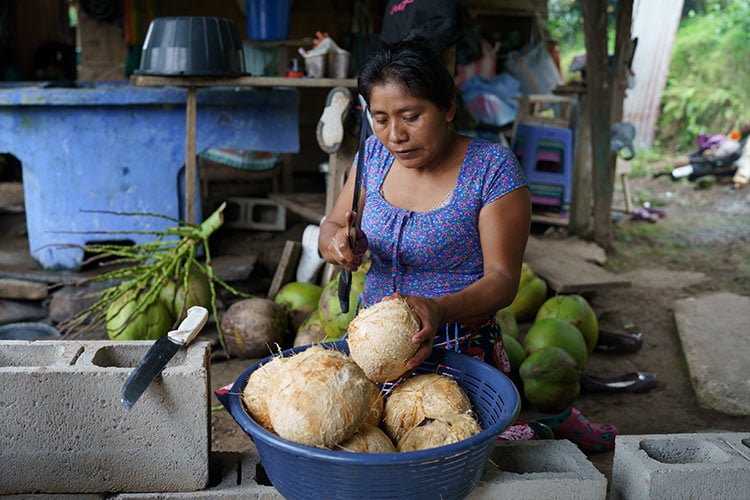
Last month, during Climate Week NYC 2026 and the United Nations General Assembly, Payal moderated a conversation among leaders and experts on agroecology about the importance of investing more in locally-based food systems. In other words: how local and territorial markets are a key part of the puzzle to decreasing environmentally-damaging greenhouse gas emissions.
We asked Payal to break down her takeaways from the conversation so we could share them with you. What she wrote has us feeling hopeful about the work that AJWS funds around the world to equip rural and Indigenous communities to rely less on participating in industrial farming. You’ll read how Payal diagnoses our own role, as individuals here in the United States, to maximize that time-tested tip.
Shop local where you can. Read on, and see you at the farmers market!
Dismantling the industrial food system, one local market at a time.

More Stories of Hope
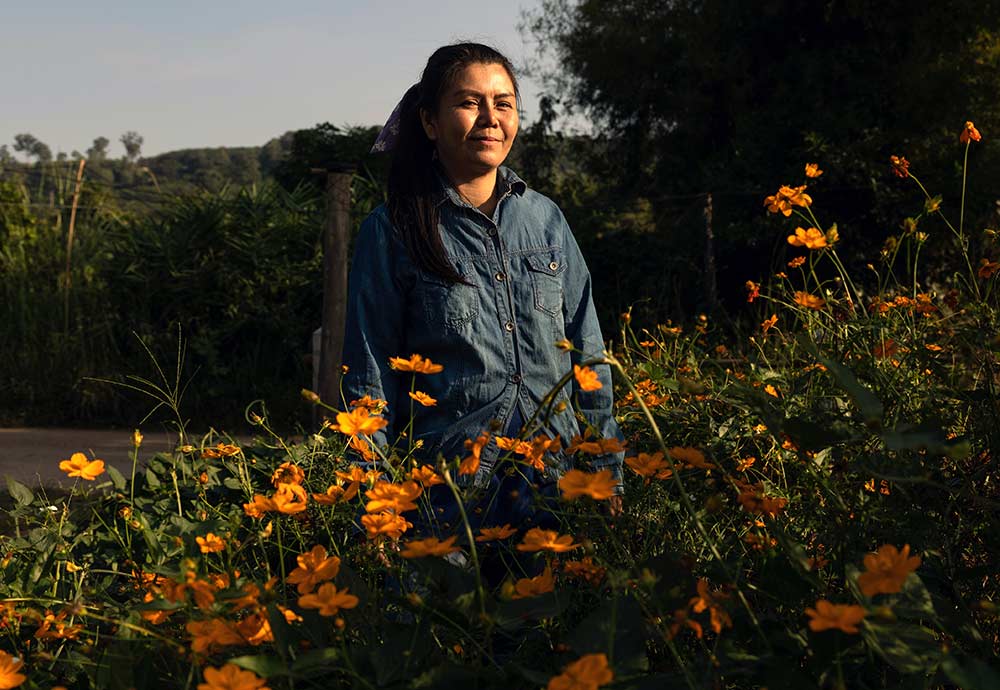
- AJWS supports incredibly strong women around the world. Get transported to Thailand to meet Am—a rural farmer who has been unjustly evicted from her land by the government time and time again. But thanks to the work of AJWS grantee Isan Land Reform Network, Am picks herself back up—and fights her way back up the mountain.
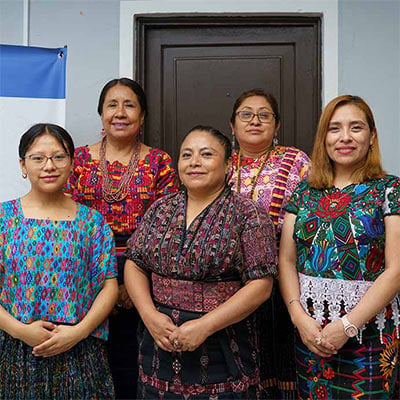
- AJWS has supported Indigenous Guatemalans in their fight for justice, dignity, and human rights for many years. These communities are often among the first to defend Guatemala’s democracy as well. They saw a major victory last month, when Guatemala’s courts finally ended unjust criminal proceedings against Indigenous leaders who’d been arrested after organizing demonstrations in 2023—a step forward to strengthen the right of all Guatemalans to protest and peacefully assemble. Learn more about how justice was reached here.
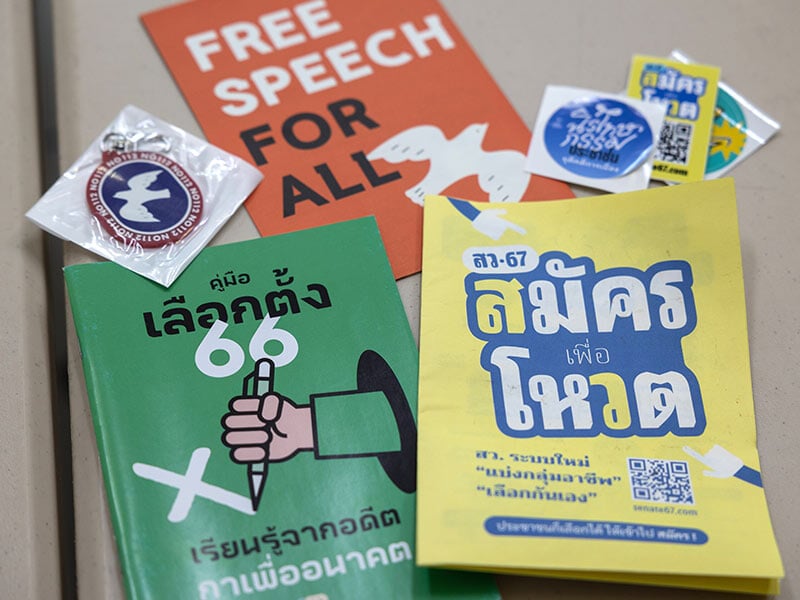
- The midterm elections are just around the corner. We’re feeling cautiously hopeful that candidates who center human rights, climate justice, and sexual health will win the support of the nation. Check out this AJWS primer and find out what you need to know before hitting the voting booth on November 3.
Speak up with the AJWS Action Network
We need your help right now. Read on: this past July, after a series of legal challenges that went all the way to the Supreme Court, the U.S. government revoked Temporary Protected Status (TPS) for Haitians living in the U.S. The decision immediately put 350,000 people at risk of being forcibly returned to a country experiencing severe and ongoing humanitarian, social, environmental, and political crises. Revoking TPS for Haitians living in the U.S. puts the lives of returnees in grave danger and adds to the strain on resources, security, and humanitarian challenges in Haiti.
But Senate bill 4184 would extend TPS protections for Haitians until 2029. Help us send a resounding message to our elected leaders—click here to reach out to your senators and urge them to support this bill.
Our work isn’t easy, but it’s critical. And, as you read above, it depends on us taking action—funding and standing in solidarity with partners around the world, and fighting back here at home.
We hope you know that you are part of an ecosystem of activists all working together to make a difference. As we enter our election month ahead, may we, too, find the strength stay hopeful.
In solidarity,
Your friends at AJWS