Across communities near refugee settlements in Uganda, many migrants and refugees face significant hardships. Displacement, poverty, uncertain legal status, and limited access to services often leave people vulnerable to harassment, discrimination, and economic insecurity.
It is at this intersection of gender identity and human rights that one AJWS grantee works to empower migrant and refugees to advocate for their health, safety and economic wellbeing.
The Organization for Gender Empowerment and Rights Advocacy (OGERA) was founded nearly a decade ago by Shamilah Batte. Over the years, it has grown to have a presence in 10 districts across northern, western, and central Uganda. Shamilah’s mission is informed by her own personal journey as a migrant.
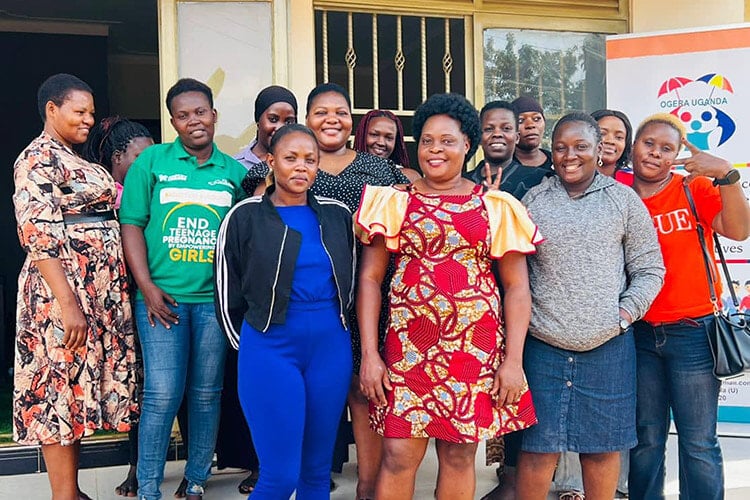
Shamilah emigrated from Rwanda in 1994 at the age of six to escape the genocide that claimed nearly one million lives. She settled in Uganda where she later became a naturalized citizen. She had been working at an organization that supported migrants but kept encountering difficulties when trying to address the community’s multilayered and unique vulnerabilities. Language barriers, trauma, limited economic opportunities, and unequal treatment frequently prevented vulnerable communities from accessing the support they needed.
Recognizing these gaps, Shamilah established OGERA to create a welcoming space where migrants and refugees could find assistance and build stronger futures.
“I knew there were people like me who were going through so much but had nowhere to turn” Shamilah said. “I felt like there needed to be a space for such a community because they had issues that were not being fully addressed.”
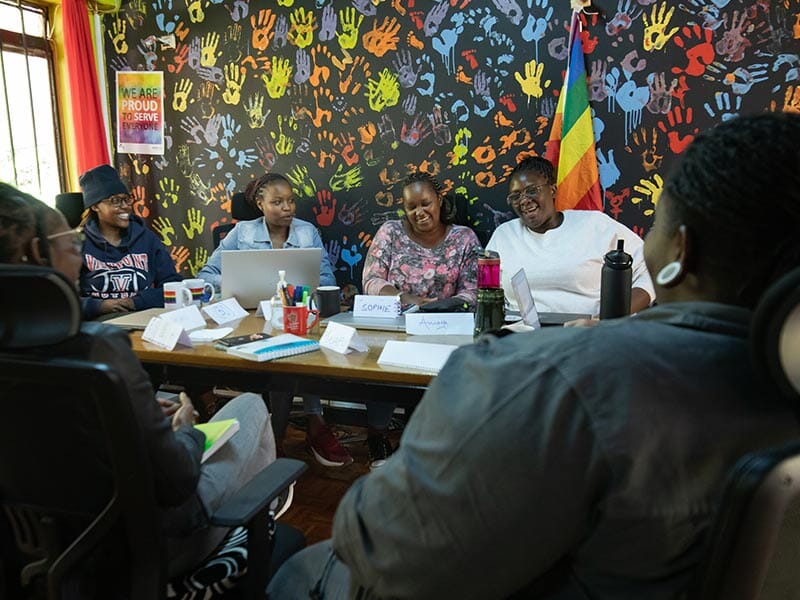
Today, OGERA provides vocational training, safety education, psychosocial support, and community outreach programs to more than 1,600 migrant and refugee women.
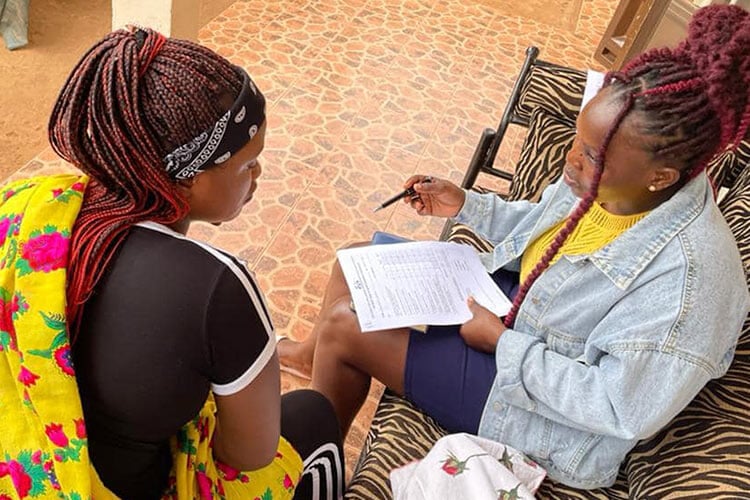
The organization also documents human rights concerns and conducts awareness sessions that help newcomers understand local laws, customs, and available resources. Through peer-support programs, participants learn how to advocate for themselves and navigate challenges in their communities.
In OGERA’s popular Peer Navigator program, women learn how to support each other as well as advocate for their human rights and health care access. This particular aspect of OGERA’s work, however, has grown more challenging since the Trump administration slashed foreign assistance, leading health care facilities nationwide to halt services tailored to vulnerable communities.
“Initially (there were) community-led and focused clinics or drop-in centers and health facilities where our community could come and access nondiscriminatory services. But a lot has changed,” Shamilah said. “We are now seeing people shying away and not getting the help they need. That has really their health and wellbeing.”
Staff have been documenting an alarming rise in AIDS cases because those with HIV no longer have access to their medicines or specialized care.
“As an organization, we are trying to fill in the gaps,” Shamilah said. “But with limited access to resources, it is very difficult.”
Still, the team at OGERA remains committed to their mission and to providing a lifeline to migrant and refugees, women like Sheebah.
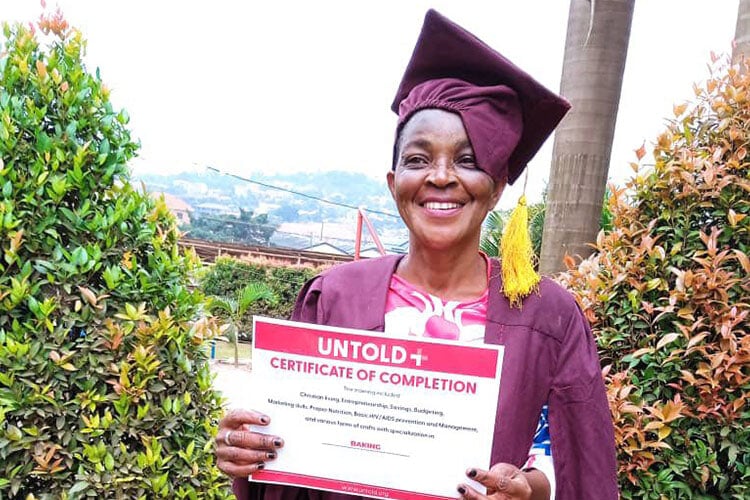
In 2015, she tested positive for HIV and said her life “completely fell apart,” Sheebah says today. Her family in Rwanda disowned and abandoned her, saying she damaged the family reputation. Her mother blamed her diagnosis on her “immoral practices.” Even though a friend helped her move to Uganda, Sheebah was dogged by despair.
“I had reached a breaking point and stopped taking care of myself including not taking my HIV medication; I considered ending my life at this point because it all felt worthless,” she says. “It was in my darkest moment that OGERA found me; they did not only offer help but reminded me that my life mattered.”
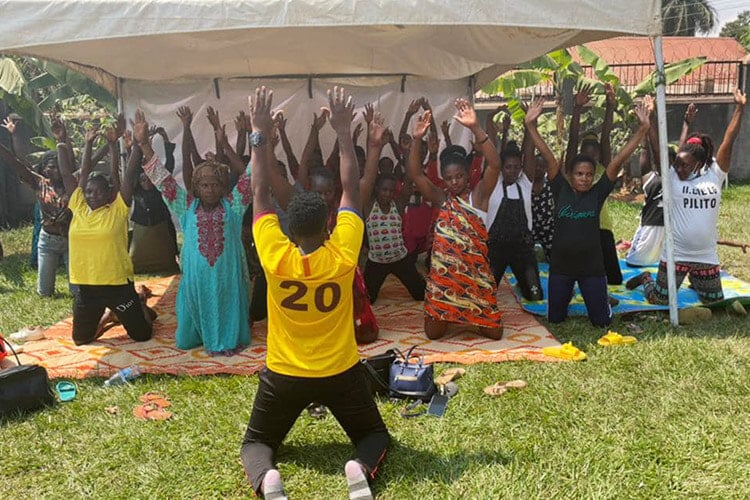
Sheebah took part in psychosocial support sessions, peer counseling and wellness sessions, and slowly began to rediscover hope. She joined OGERA’s Positive Club, a group of peers living with HIV/AIDs and learned how to manage her health and resumed her treatments (her peers later elected her to lead the group).
She also participated in OGERA’s Economic Empowerment Program, where she learned candle making, baking and mushroom farming. She recently graduated from a partner vocational training program and received funding to start her own business.
“This organization saved my life,” she continues. “They walked with me when I had nothing, when I wanted to give up and today, I am happy that I am alive, healthy, skilled, and I help others survive.”