
Industrial food production contributes to 30% of all global greenhouse gas emissions.
Let that fact sink in for a moment: about 1/3 of all emissions—leading to the steady heating of our planet, and the devastating climate disasters that this warming has wrought—come from much of the food we find at the supermarket.
We’re not just talking about where the food came from, but rather, the entire food system: how food is grown, harvested, processed, packaged, transported, and sold, where and by whom. For the very survival of life of earth, this system needs to be dramatically re-envisioned.
During New York Climate Week in September, I had the privilege of co-organizing and moderating a conversation with leaders and experts on agroecology and territorial food markets from Brazil, Mali, and here in the United States. The discussion centered on a key point: if we’re serious about accelerating solutions to the climate crisis, we need to invest in more locally-based agroecological food systems.
Our conversation focused on one pivotal piece of the puzzle to saving our planet that you might not expect: local and territorial food markets.
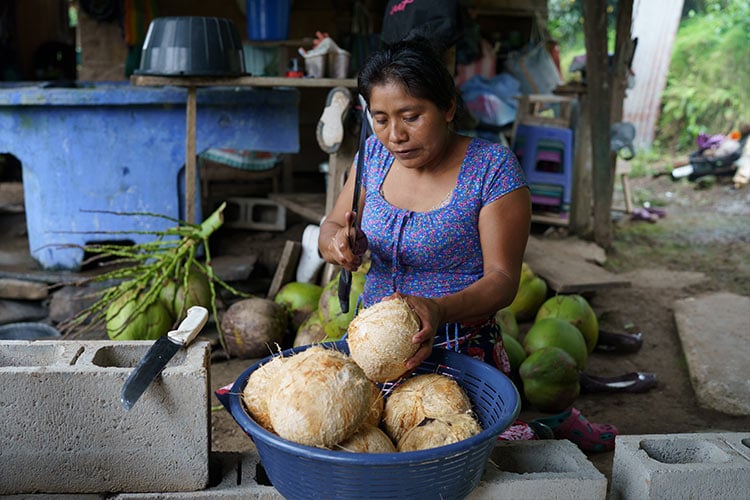
Indeed, while we may enjoy the experience of our neighborhood farmer’s market as a sweet weekend outing, the concept is actually crucial to our survival—by strengthening and increasing our reliance on local and territorially-rooted markets around the world, we diminish our need for global supply chains that are concentrated within a few corporations, and instead support food sovereignty and the rights of farmers to dignified livelihoods.
In doing so, food consumers also realize our own right to healthy foods. In this way, collectively, we can do away with the environmentally destructive facets of industrial farming and the global food markets centered around this form of food production.
Enabling this shift is at the core of AJWS’s work around the world. At AJWS, we support networks, coalitions, and movements of small farmers operating territorial food markets across the Global South, including in El Salvador, Haiti, India, Thailand, and Uganda. Their leadership shows what’s possible when they have the resources to grow and market healthy food that benefits communities and the planet.
Local food markets fight back against the climate crisis and bolster climate justice in a few important ways that I want to share with you:
Shorter food chains, lower emissions. Rather than transporting agricultural inputs and food across the world, territorial markets keep food closer to where it’s grown, dramatically reducing energy use and emissions.
Stronger agroecological farming. These markets make agroecology—farming that is aligned with both social and ecological principles—more economically viable. Unlike industrial agriculture, agroecology doesn’t rely on fossil fuel-derived fertilizers and pesticides, resulting in healthier soil that—among many other benefits to ecosystems and the environment—is more effective in storing carbon.
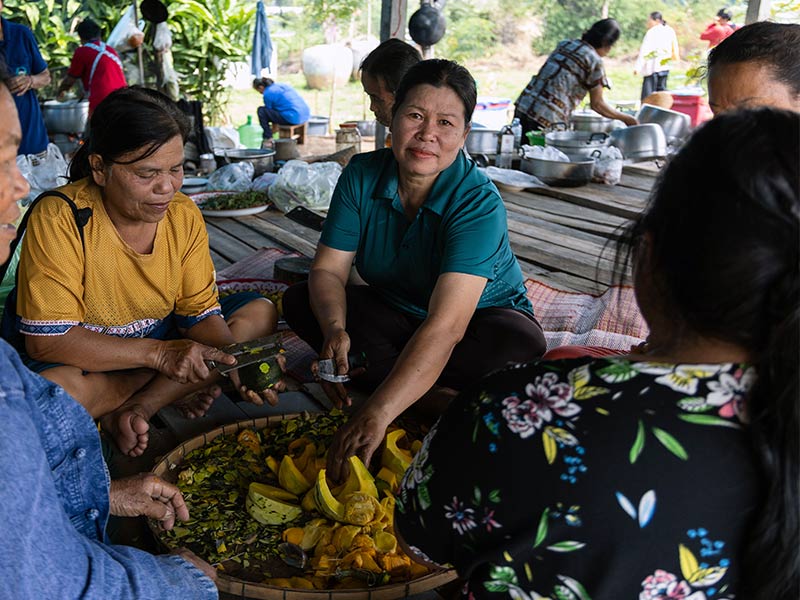
Food sovereignty in action. Territorial markets empower small farmers and food producers, including Indigenous Peoples, women, and youth, to decide how they grow and sell their food, and to earn better prices by selling food more directly to consumers.
So—what can you do?
In short: support organizations like AJWS to strengthen this work around the world and support the local small-scale farmers and farmers’ markets near you.
Right now, only about 1 to 3% of all philanthropy focusing on defending the climate reaches grassroots organizations. AJWS’s partners in Africa, Asia, Latin America and the Caribbean can create an outsized impact on the fight against climate change—but they need more support. If we’re serious about addressing the severity of the climate crisis, it’s imperative that we dramatically ramp up flexible and long-term support for these communities, helping them scale up and establish more territorial and local markets.
If I recognized one thing during our session at New York Climate Week, it was this painfully simple fact: the fight for climate justice—and the struggle to reverse the climate crisis—will take all of us working together to dismantle the systems causing immense damage to our planet and to build the new systems we need to regenerate and protect it.
This is the hope that emerged from that conversation that drives me, and that I’d like to share with you: we already have some of the most powerful solutions to this climate crisis.
But we’ve got to support them—urgently, and at scale. The time is now.